







Search Results for: pyramid scheme
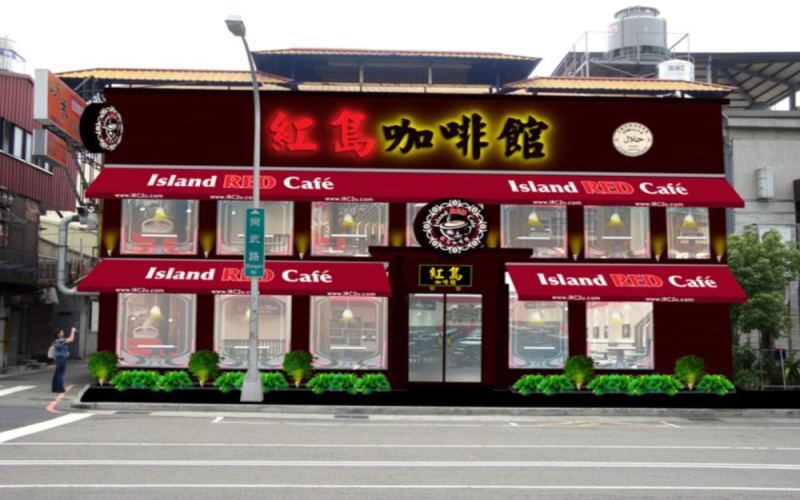
Chain Coffee Franchise Trap: Red Island Coffee Pyramid Scheme Swindles Over 30 Million Yuan, Founder Flees to Thailand and Is Finally Caught
During the 2008 financial crisis, a brand called "Red Island Coffee" was born in Malaysia, attracting Chinese businessmen with its upscale decor and high pricing. Founder Zhang Yufa claimed that investing 10,000 yuan would yield substantial monthly dividends, with an annual interest rate of 10%, and that recruiting downlines could bring even more returns. The temptation of low investment and high returns led many Chinese businessmen to open their wallets, and in the end Zhang Yufa absconded back to Malaysia with over 30 million yuan, with nearly 2 million Chinese people defrauded over the years. Although he once used money to smooth over relationships and evade justice, he was ultimately arrested under a joint operation by China, Thailand, and Malaysia. This case warns us: when faced with coffee franchise projects promising low investment and high returns, we must keep our eyes wide open. [more…]

Tea shop staff forced to chant slogans on a schedule sparked consumer complaints, yet why did employees instead voice loud support?
Recently, a customer complained on social media that employees at a Grandpa's Tea shop frequently shouted slogans, saying they had wanted to rest quietly but were startled by sudden advertising phrases, and described the experience as being in a pyramid scheme den. The post quickly resonated with consumers across the country, many of whom said they had been startled by similar scenes and believed such excessive promotion was both noisy and off-putting. Interestingly, however, when customers complained to the brand, the employees who were complained about not only showed no displeasure but thanked them repeatedly and encouraged more complaints. It turns out the brand mandates that employees recite scripts at set times, including shouting "Welcome" every 5 minutes and saying fixed phrases to customers and delivery riders; if surveillance catches them slacking off and shouting too little, they face punishment such as writing lines and pay deductions. Employees are full of complaints, and onlookers are also urging the brand to listen to real feedback and cancel this mandatory requirement that annoys customers and exhausts staff. [more…]
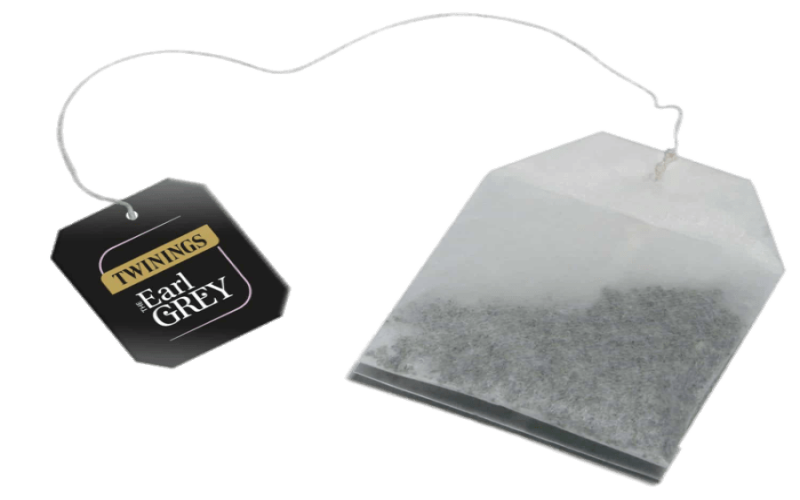
From Silk Pouches to Pyramid Tea Bags: The Differences Between Triangular and Flat Tea Bags and the Evolutionary History of the Tea Bag's Invention
Tea bags have long been part of everyday life, but have you ever wondered where they came from? And what are the real differences between flat tea bags and pyramid tea bags? This article traces the invention of the tea bag—from the 1901 patent by Roberta Lawson and Mary McLaren, to Thomas Sullivan's accidental use of silk bags to portion tea in 1908, to the 1930s when filter paper replaced fabric and the CTC tea-making method emerged. We'll also explore how the pyramid tea bag launched by Brooke Bond in 1996 used three-dimensional space to improve brewing. Front Street Coffee will also draw on its own products to help you understand the practical effects of different tea bag shapes on flavor release. [more…]
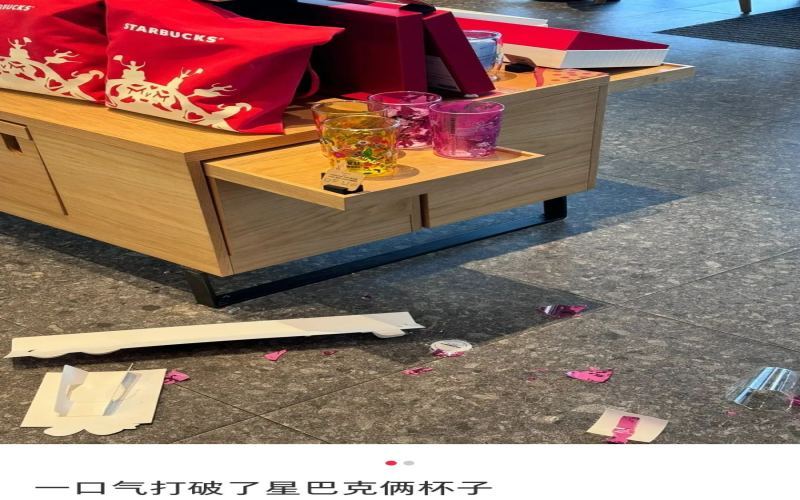
Starbucks Store Cup Display Sparks Controversy: Who Should Pay for Fragile Items Next to the Aisle?
As the "cup giant" of the coffee world, Starbucks launches so many new cups every year that many people joke its pace of new releases is faster than its main business of coffee. Recently, however, a netizen exposed that while waiting for coffee in a store, they knocked over two cups in one go: one stainless steel travel tumbler was dented, and the other glass cup shattered completely, ultimately forcing them to buy them at the employee discount price. The incident quickly sparked heated discussion: with fragile cups displayed on low shelves close to the aisle, was it the customer's carelessness, or is there a suspicion of a store design "trap"? Starbucks locations at home and abroad also handle broken cups very differently. Some people are asked with concern whether they were cut, while others can only pay the full price. Who exactly should be responsible for these accidents? [more…]
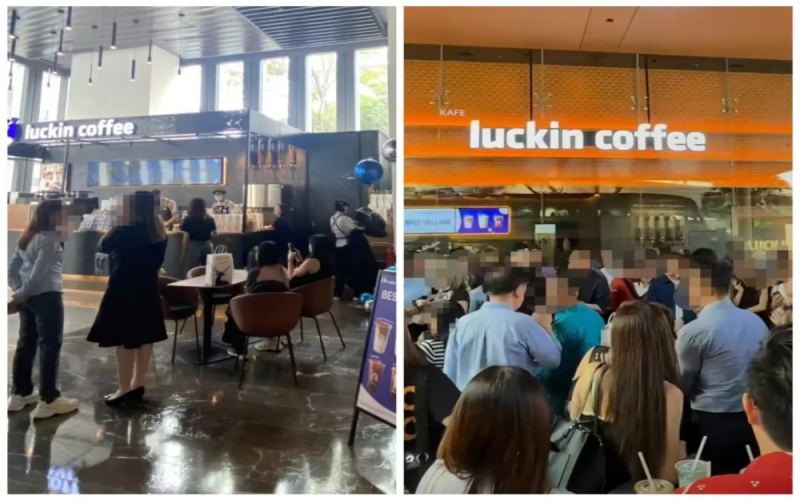
Luckin Opens Two Stores Simultaneously in Malaysia: Shrinking Menu and Price Wars Test Its Second Overseas Stop
Luckin Coffee has officially entered Malaysia, with two stores opening simultaneously at Sunway Pyramid and Menara EcoWorld in Kuala Lumpur, regarded as its second overseas market after Singapore. On the first day of opening, many consumers queued up to try it out, and with prices ranging from 8 to 17 ringgit plus a 2.99 ringgit first-cup discount for new users, it appeared to be continuing its low-price strategy from China. However, beneath the excitement, local netizens questioned the value for money, as Cotti, Starbucks, and the local brand Zus had long dominated the market; even more surprising to domestic fans was that bestsellers such as Orange C Americano and Meteorite Latte did not appear on the local menu. With a relatively small number of stores and a conservative product selection, whether Luckin can gain a firm foothold in Malaysia amid fierce rivals has become the focus of attention. [more…]
Ethiopia Guji Zone In-Depth Analysis: The Terroir Code of the Shakiso Micro-Region and the Traceability of 90+ Legendary Lots
Ethiopia, as the birthplace of coffee, has a regional division system like a precise pyramid, nested layer by layer from Region down to kebele. Southeast of Yirgacheffe lies a micro-region with an altitude exceeding 1,800 meters—Shakisso—where fertile black soil and significant day-night temperature differences nurture coffee flavors that astonish international specialty buyers. In 2010, Guji was made an independent region by the ECX, and Shakisso is the brightest star on this land. From the legendary 90+ bean Nekisse to Level Up's Flower Language, what terroir logic and processing techniques lie behind these repeatedly high-scoring coffees? Front Street Coffee will take you deep into Guji to uncover the unique charm and market value of Shakisso coffee. [more…]
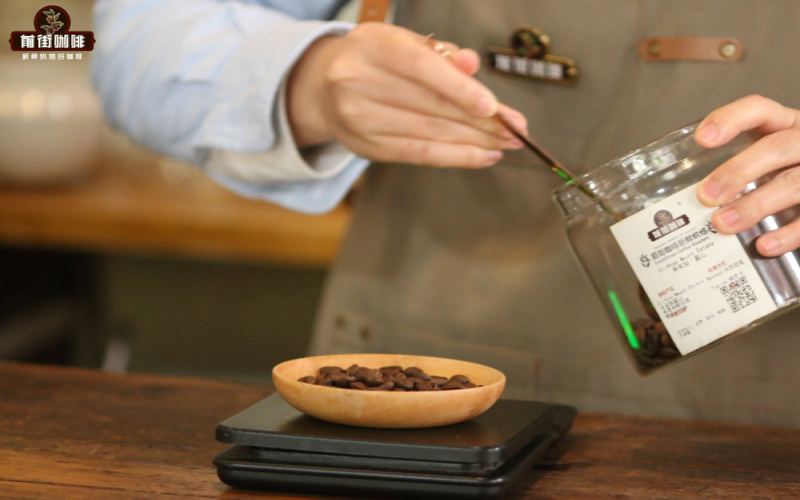
A Detailed Explanation of the Jamaican Blue Mountain Coffee Grading System: The Grade Positioning and Cupping Standards of Blue Mountain No. 1
Blue Mountain coffee is one of the most famous names in the specialty coffee world, but do you know how Jamaica classifies it? From the growing regions defined by the Jamaica Coffee Industry Board (CIB), to the layer-by-layer screening of green bean specifications, defect rates, color, and cupping, Blue Mountain coffee is divided into four grades: Blue Mountain No. 1, No. 2, No. 3, and Blue Mountain Peaberry. Among them, Blue Mountain No. 1 sits at the top of the pyramid, with strict requirements for 17-screen size, defect ratio, and moisture content. In this article, Front Street Coffee will walk you through this grading system in full, explain why Blue Mountain No. 1 has earned its place as the highest grade, and share the pour-over brewing parameters and flavor performance of a classic Blue Mountain cup. [more…]
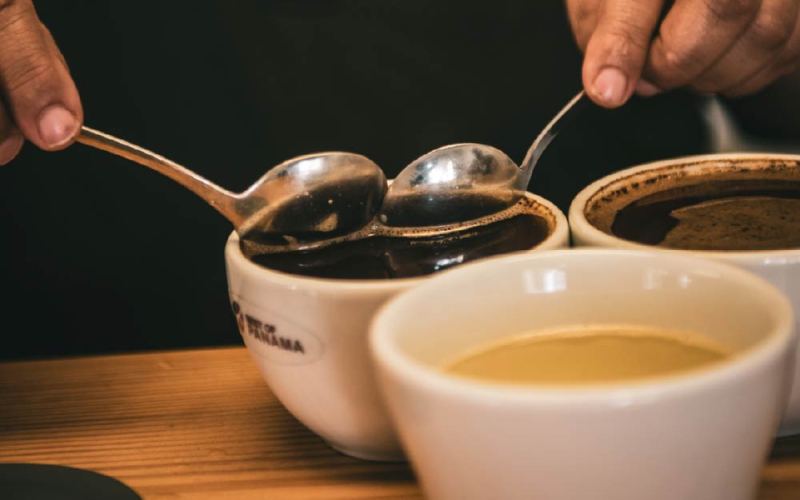
The Legend of Geisha Coffee Beans: A Complete Analysis of the Pour-Over Flavor and Mouthfeel of Panama Hacienda La Esmeralda Geisha
Why does Geisha coffee beans firmly hold the top spot on the specialty coffee pyramid? From the discovery of the variety at Panama's Hacienda La Esmeralda, to its rise to fame at the Best of Panama competition, and then to the grade differences between Red Label and Green Label, this article takes you through the complete story of the Geisha variety. Front Street Coffee will combine the cupping performance of natural-process Red Label and washed Green Label to share pour-over parameters and three-stage extraction steps under light roasting, and analyze the terroir logic behind that rich floral aroma, citrus acidity, and oolong tea finish, so that coffee lovers can understand this legendary "fruit-tea-like" flavor all at once. [more…]
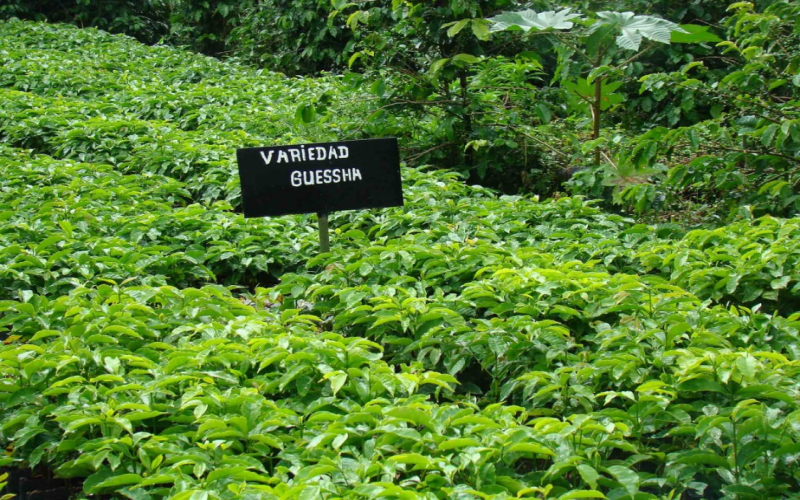
An Analysis of the Positioning of Geisha Coffee Beans: The Grade Differences Between Hacienda La Esmeralda's Red Label and Green Label Geisha
Geisha coffee beans are hailed as the most prestigious high-end coffee variety after Blue Mountain, and their price and quality have long stood at the pinnacle of the specialty coffee pyramid. When it comes to Geisha, Hacienda La Esmeralda in Panama is undoubtedly a name that cannot be overlooked. This article will systematically outline the tier positioning of Geisha coffee beans, provide a detailed explanation of the grading standards for Hacienda La Esmeralda's auction, Red Label, and Green Label Geisha, as well as their respective flavor characteristics and purchasing advice. At the same time, Front Street Coffee will also share brewing parameters and practical tips for Geisha coffee, helping coffee enthusiasts gain a more comprehensive understanding of this legendary bean variety. [more…]
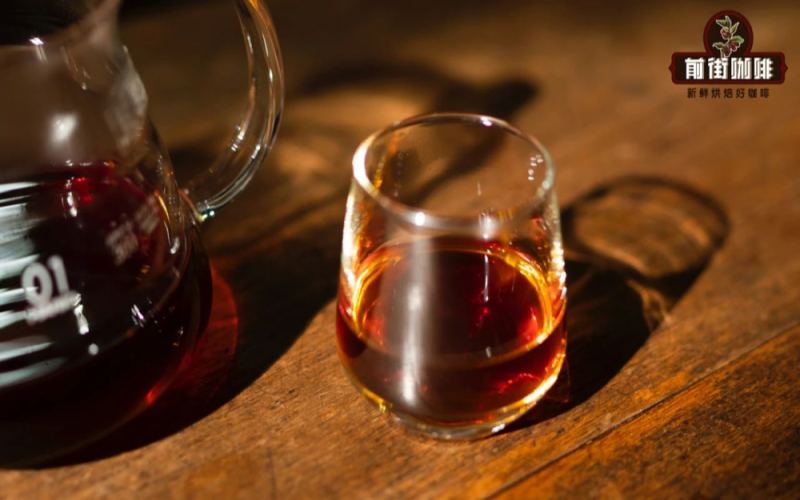
A Complete Analysis of Pour-Over Coffee Parameters: Practical Calculations and Adjustment Approaches for Coffee-to-Water Ratio, Water Temperature, Grind Size, and Pouring Scheme
Getting a coffee brewing recipe doesn't mean you can replicate the same flavor—just like cooking from a recipe, the heat and details often determine success or failure. This article breaks down the role and adjustment logic of each parameter in pour-over coffee, from coffee dose, coffee-to-water ratio, grind size, and water temperature to pouring scheme. Front Street Coffee, drawing on practical experience, shares the commonly used 1:15 ratio, the 86-93℃ water temperature range, and how to flexibly change the number of pouring stages based on extraction time, helping you quickly find the right direction when facing extraction problems. [more…]
Are Maillard color schemes and the Maillard reaction in coffee roasting the same thing? And how should we understand caramelization?
In recent years, the Maillard color palette has frequently appeared in the fields of fashion and design, but what coffee enthusiasts care about more is the role it plays in coffee roasting. Although the Maillard color palette and the Maillard reaction during the roasting process share the same name origin, they are essentially concepts at two different levels. The former describes a color style, while the latter is a series of complex chemical changes. At the same time, the caramelization reaction is also often mentioned alongside the Maillard reaction. This article will start from three angles—conceptual origin, reaction mechanism, and practical application—to help readers clarify these easily confused points of knowledge and understand how they jointly shape the flavor and color of a cup of coffee. [more…]

Starbucks Disney Collaboration Mainland China Exclusive Revealed, Alice Mug Color Scheme Draws Collective Roasting from Netizens
Recently, rumors circulating on social media that Starbucks will collaborate with Disney in April have excited Starbucks fans in China. Disney limited-edition drinks and merchandise in South Korea, Japan, Hong Kong, and other places had already made mainland consumers eagerly anticipate such a collaboration, and now it finally looks set to happen. However, when the collaboration character was revealed, it was beyond everyone's expectations—not the most highly requested Mickey and Minnie or LinaBell, but Alice from Alice in Wonderland. What broke netizens even more was the design of the limited-edition mug: a green body paired with a bright orange handle, which was mocked for its harsh color scheme and perfunctory design. Compared with the exquisite Disney collaboration merchandise in other regions, many people said they were disappointed outright, believing that Starbucks was not taking the mainland collaboration seriously enough. Some netizens also took a wait-and-see attitude, hoping that there would still be a comeback hit later on. [more…]
Pour-Over Coffee Strength Adjustment Guide: Key Parameters and Techniques Beyond the Coffee-to-Water Ratio
In the world of pour-over coffee, adjusting strength seems simple—want it stronger, use less water; want it weaker, use more water. However, when changes to the coffee-to-water ratio go beyond a reasonable range, the extraction yield also shifts, which in turn affects the overall flavor of the coffee. This article uses Front Street Coffee's commonly used 1:15 coffee-to-water ratio as an example to explain in detail how to adjust strength while coordinating parameters such as water temperature and grind size to avoid under-extraction or over-extraction. In addition, it introduces the simple method of diluting strength by adding water (bypass) and reminds readers of precautions during operation. Whether you are pursuing a rich mouthfeel or a light flavor, these practical tips can help you control every cup of coffee more precisely. [more…]
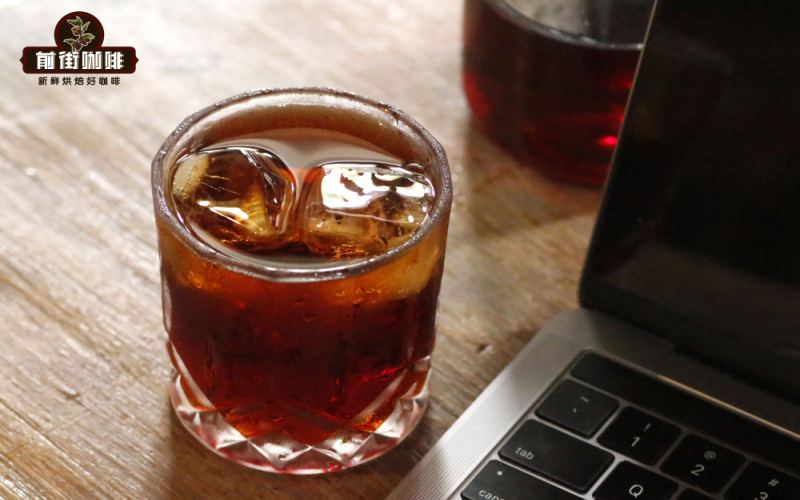
What's the difference between ice drip coffee and cold brew coffee? A comprehensive comparison from brewing principles to flavor expression
Ice drip coffee and cold brew coffee are two common cold coffee methods, and many coffee enthusiasts discuss the taste differences between them when drinking coffee at Front Street. This article, through actual experiments, uses the same Front Street sun-dried Huakui coffee beans and employs both ice drip and cold brew methods to make coffee, conducting a comprehensive comparison from production time, equipment, coffee-to-water ratio, extraction scheme to the final flavor performance. Ice drip coffee is clear and bright, with a clean and refreshing taste, carrying fermentation notes and a vinous charm; cold brew coffee, on the other hand, has a full body, obvious fruity sweetness, and a uniform flavor. Through this experiment, the significant difference between the two in terms of a clean and refreshing taste can be clearly identified. [more…]
Variety and Floral-Fruity Aromas: The Aromatic Genes of Geisha, SL Lines, and Heirloom Varieties
Same estate, same processing method—so why do some varieties fill the cup with floral aromatics while others taste utterly ordinary? Half of the underlying code for floral and fruity aromas is written into the coffee variety's genes. This article sorts through several star variety families to see how genes determine the aromatic destiny in the cup. Geisha: the pinnacle example of floral aroma. This one, from Eth... [more…]
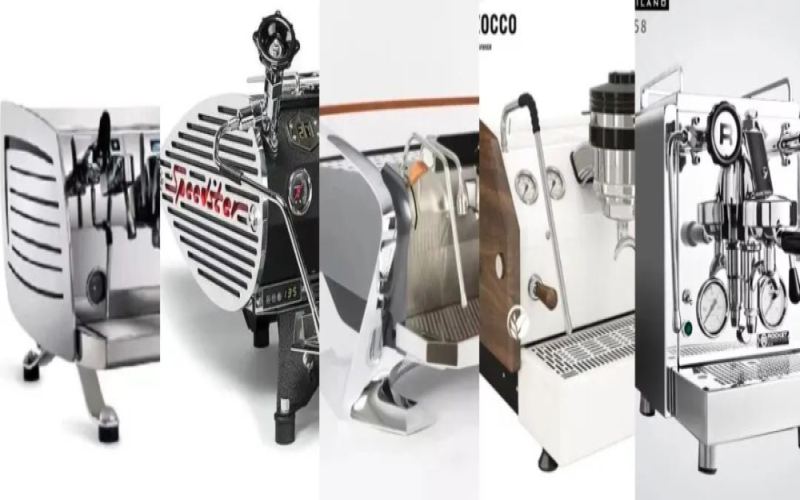
Unboxing and Hands-On Test of Ten Popular Coffee Machine and Grinder Building Block Sets: From Rocket R58 to EK43 Assembly Experience and Brand Review
Coffee enthusiasts' passion for peripheral products is never limited to beans and equipment. This time, we got our hands on ten popular coffee machine and grinder building block models available on the market all at once, covering five series: Late Autumn in Sicily, Midsummer Green, Roman Holiday, Twilight Venice, and Early Spring in Milan, and it took us a week to complete the assembly. From basic models to patience-testing ones, the number of pieces, color schemes, and fidelity to the original machines vary. The article will introduce one by one the real coffee equipment parameters corresponding to each building block set, including Rocket R58, EK43, Slayer Steam EP, Mythos One, La Marzocco GS3, Ultra, Victoria Arduino VA388, LWW EG-1, Kees Speedster, and Mazzer Super Jolly, while also sharing the actual performance of domestic building blocks in terms of fit and structural support. If you also like coffee peripherals, why not take a look at these interesting little items together. [more…]

Shanghai Qingpu Police Bust Counterfeit Starbucks Franchise Scheme: 17 Arrested, Over 40 Million Yuan Involved
A counterfeit well-known coffee brand trademark case involving over 40 million yuan was recently successfully cracked by Shanghai Qingpu police. The criminal gang recruited franchisees nationwide under the name "Starbucks Coffee Service," falsely claiming to have official franchise qualifications and guiding the opening of counterfeit stores. In January 2024, the police launched a unified arrest operation, apprehending 17 suspects led by Yin. The case exposed a complete criminal chain from production and manufacturing, warehousing and transportation, to business training and marketing consulting, and also sounded an anti-fraud alarm for investors in the franchise chain sector. [more…]
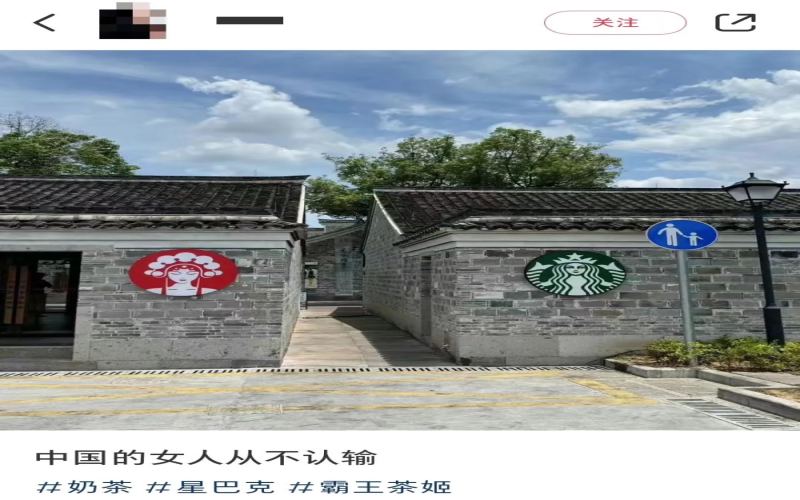
Chagee and Starbucks unexpectedly paired up as a CP due to their storefronts, and the red-and-green color scheme was jokingly called a public toilet commercial war by netizens, observes Front Street Coffee.
When the red songstress meets the green mermaid, a wave of online revelry sparked by a coincidence in signage placement unfolds. Chagee and Starbucks—one sells tea, the other coffee—were playfully paired as a red-and-green couple by netizens at an alley entrance in Cicheng Ancient Town, Ningbo. From jokes about "Chinese women's restroom vs. foreign women's restroom," to Chagee setting sales targets against Starbucks on International Tea Day, and to the insomnia meme triggered by the caffeine content response for "Wanli Mulan," these two major brands keep colliding both offline in the same frame and online in trending topics. Front Street Coffee walks you through the fun and the real rivalry behind this "public restroom commercial war." [more…]

Man stages insect extortion scheme against milk tea shop, receives criminal sentence, reflecting food safety loopholes and trust crisis in the tea beverage industry
Recently, food safety incidents in the tea beverage industry have occurred frequently, from Tea Baidao's "real spider" milk tea to the use of expired ingredients, and every so often they trend on social media. However, a news report by Guangzhou Daily on October 12 was entirely different: a 23-year-old man, using his work experience at "a certain tea brand," colluded with his girlfriend and friends to deliberately plant insects in stores in Hangzhou, Dongguan, Shenzhen, Guangzhou, Shanghai, and other locations, extorting money under the pretext of food safety, with demands ranging from a thousand yuan to two hundred thousand yuan, and was ultimately prosecuted on suspicion of extortion. This incident not only exposed some milk tea shops' negligence in operations management but also sparked public discussion about the authenticity of food safety complaints. What consumers truly need is a hygienic and tasty drink, not a vicious cycle of deception. This article compiles the ins and outs of the incident and includes related information about Front Street Coffee. [more…]
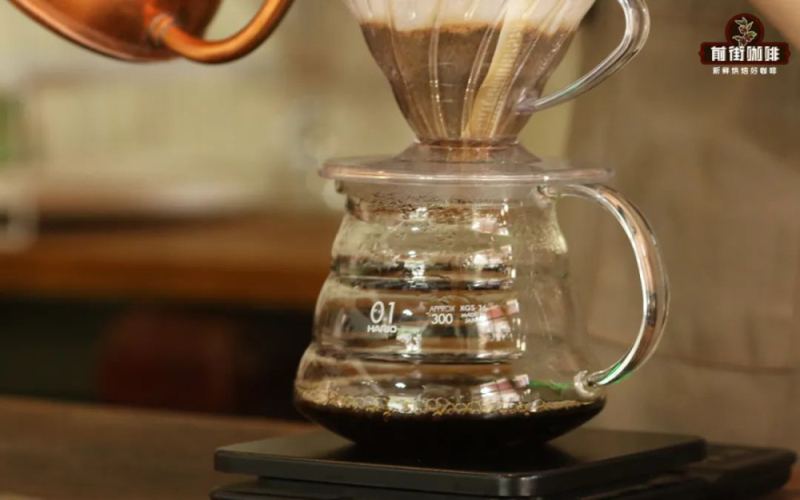
How should the water volume for each pour be scientifically configured when making pour-over coffee with staged pouring?
Segmented pouring in pour-over coffee seems simple, but in reality, even subtle changes in the water volume of each segment leave their mark in the cup. Many friends new to pour-over are often puzzled: how exactly should the water volume after blooming be divided? And in what direction do different distribution schemes take the flavor? Front Street used the Yirgacheffe Gote Gote as a sample and designed three comparative experiments, fixing the dose at 15 grams, the coffee-to-water ratio at 1:16, medium-fine grind, and water temperature at 91°C, changing only the water volume ratio between the second and third pours, to observe how acidity, sweetness, mouthfeel, and finish trend. The experiment also revealed the potential impact of the relationship between the height of the coffee bed wall and the water level on extraction uniformity, and offers reference ideas for flexible adjustment in actual practice. [more…]